
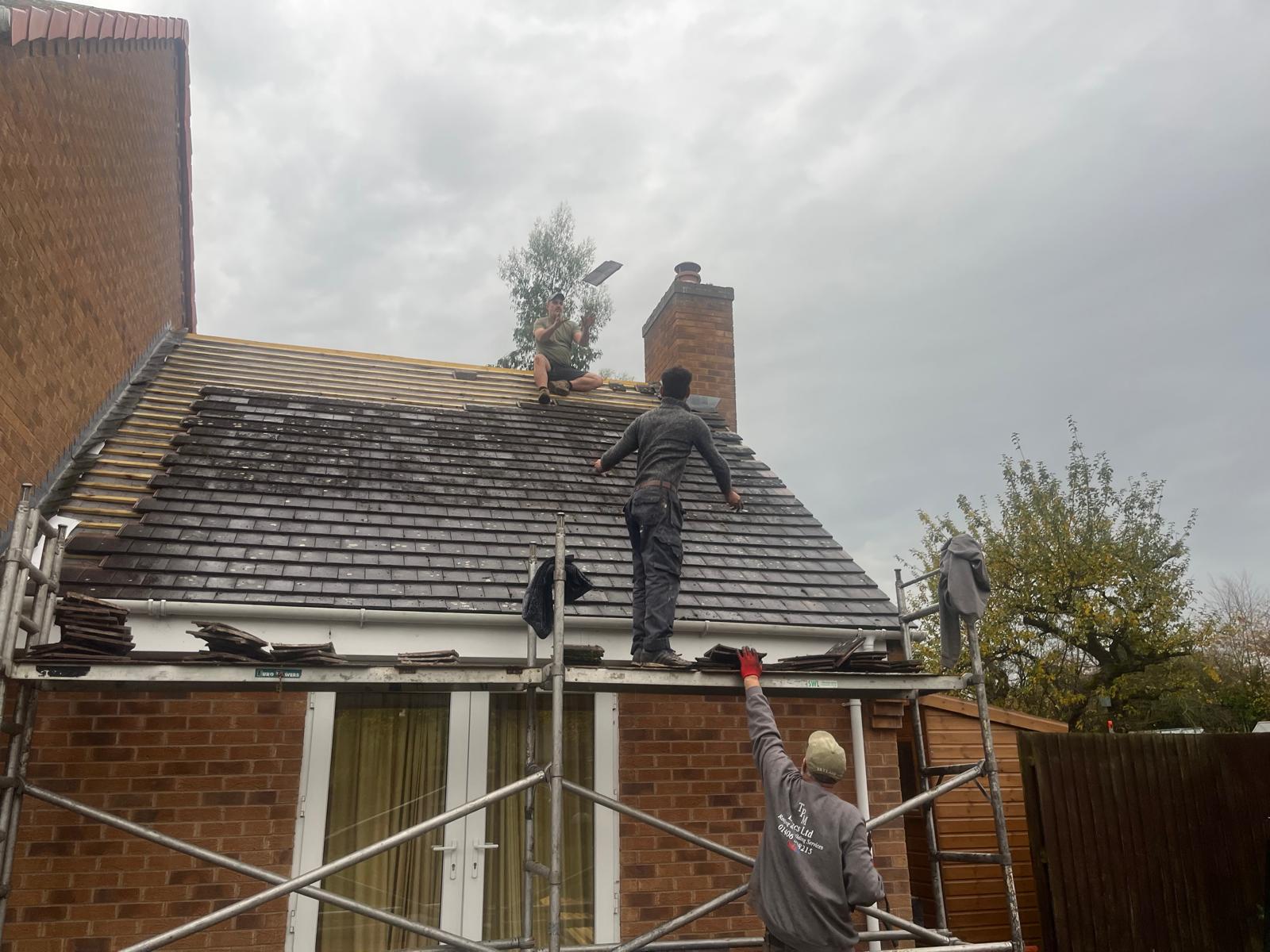
A roof replacement and dry ridge system in Stamford, Lincolnshire involves stripping out the old roofing materials and installing modern, weatherproof components. Local contractors typically remove all tiles, battens and underlay, then fit new pressure-treated timber battens and a breathable roofing membrane before re-tiling and adding a dry ridge cap. This process ensures strong ventilation and protects the roof structure from damp and rot.
A dry ridge system fixes ridge tiles with clamps and screws instead of mortar, creating a tight, flexible seal that won’t crack or wash out over time. This method suits Stamford’s weather particularly well, providing reliable waterproofing and built-in ventilation along the roof ridge.
Dry Ridge System vs Traditional Ridge
A dry ridge system is a modern alternative to mortar-fixed ridges. Rather than using sand and cement, roofers use corrosion-resistant screws and ridge clips to anchor each ridge tile. Beneath the tiles lies a waterproof, breathable strip that diverts water away while allowing air to circulate.
The advantages are clear: a dry ridge does not crack like mortar can, and it requires virtually no maintenance. British roofing standards even encourage dry-fix systems except in heritage repairs, as mortar joints deteriorate under freeze-thaw conditions. The dry ridge cap therefore provides a clean, neat finish that is weatherproof and long-lasting.
Roof Replacement Process in Stamford
A typical roof replacement in Stamford involves the following key steps:
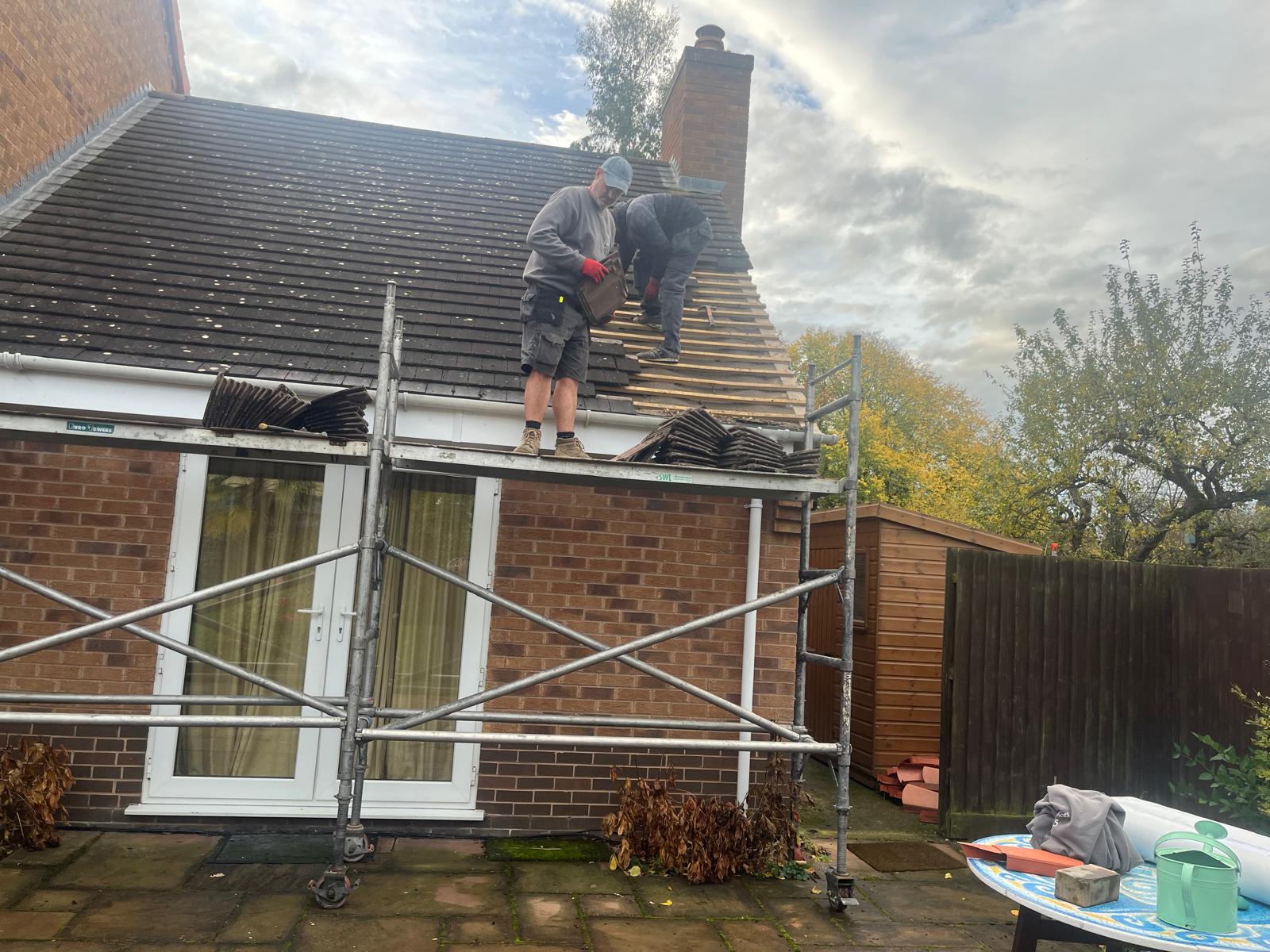
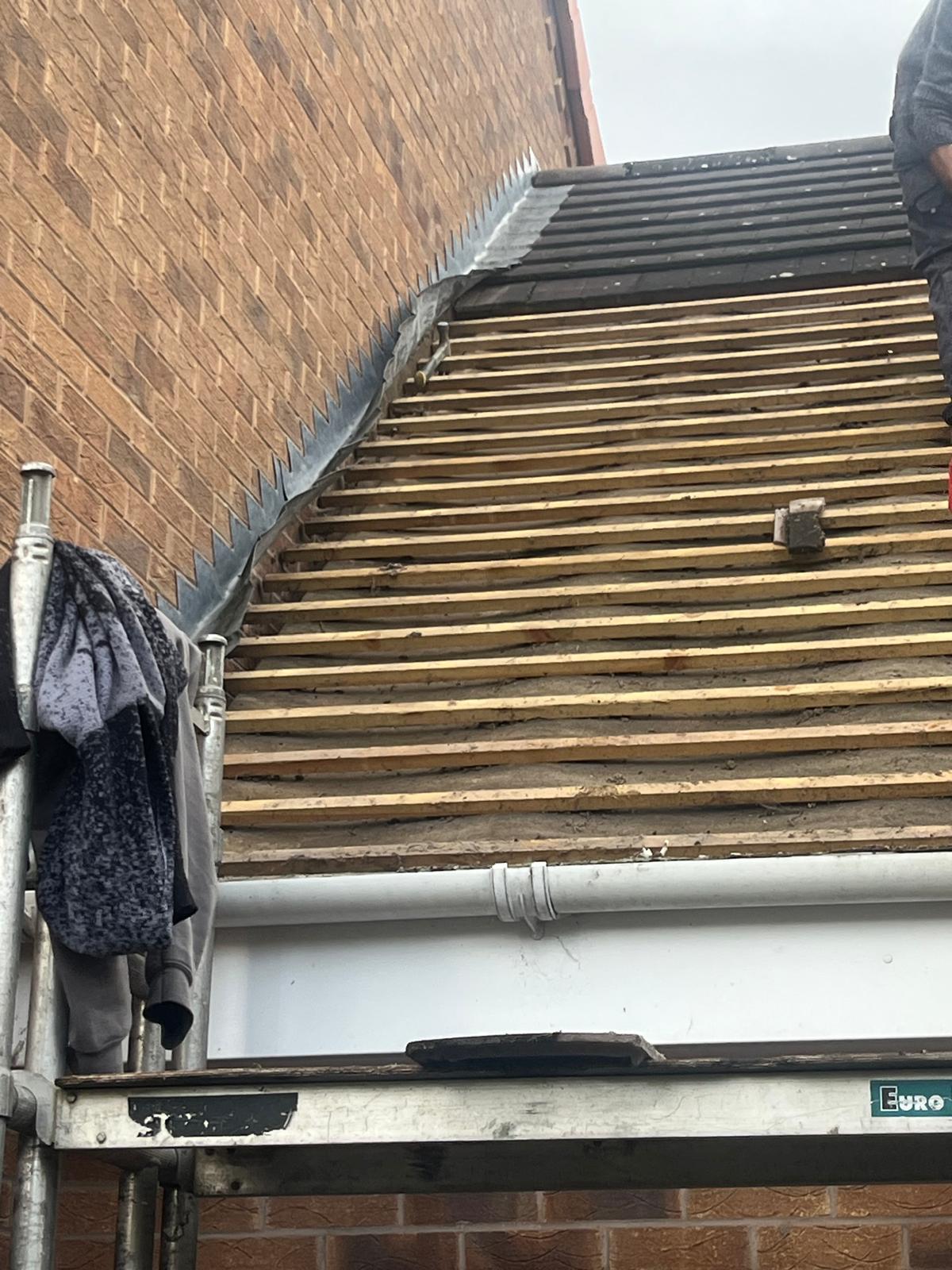
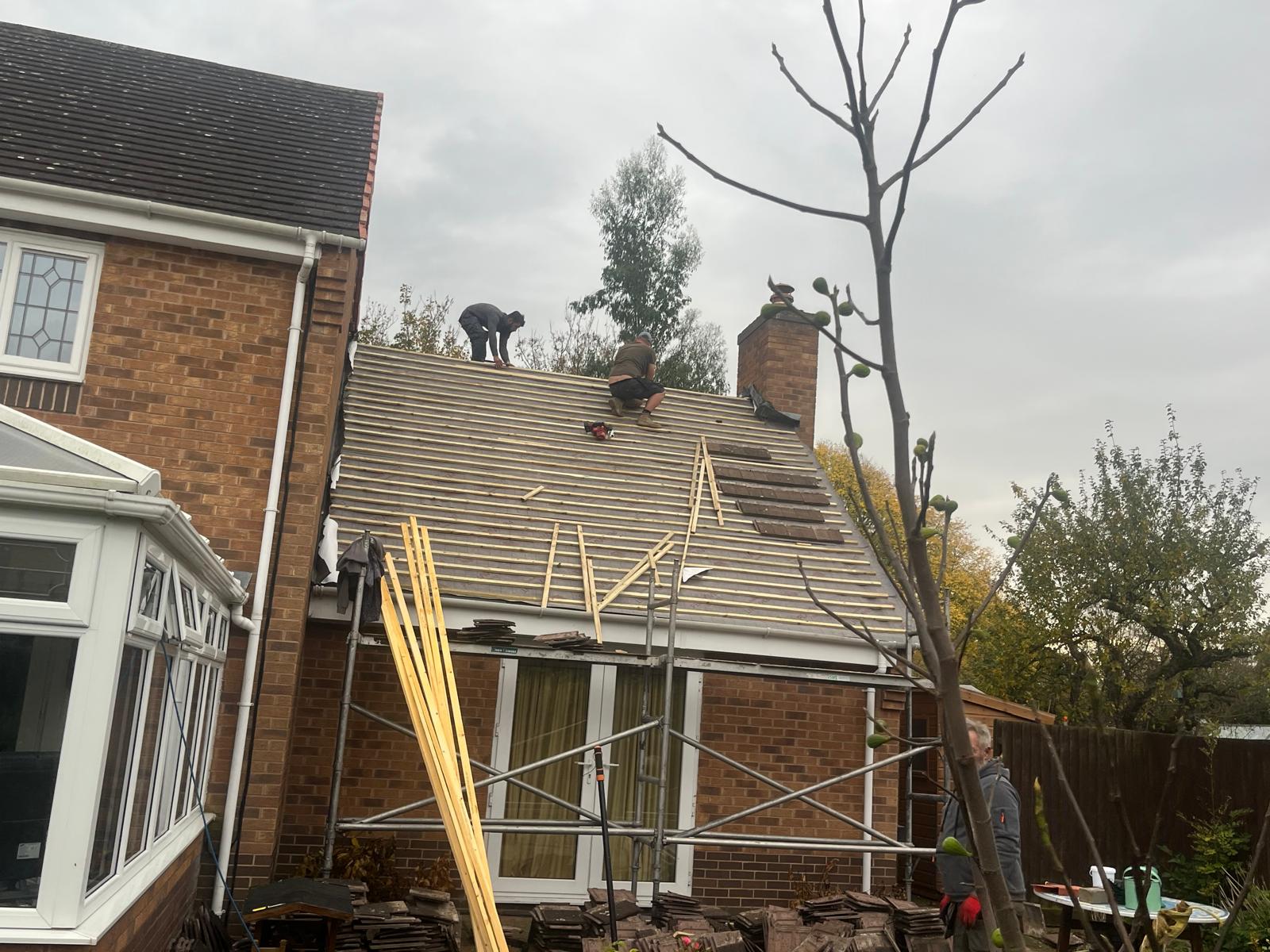
Remove old roof coverings: All existing roof tiles or slates are stripped away and set aside. Old timber battens and felt/underlay are then removed.
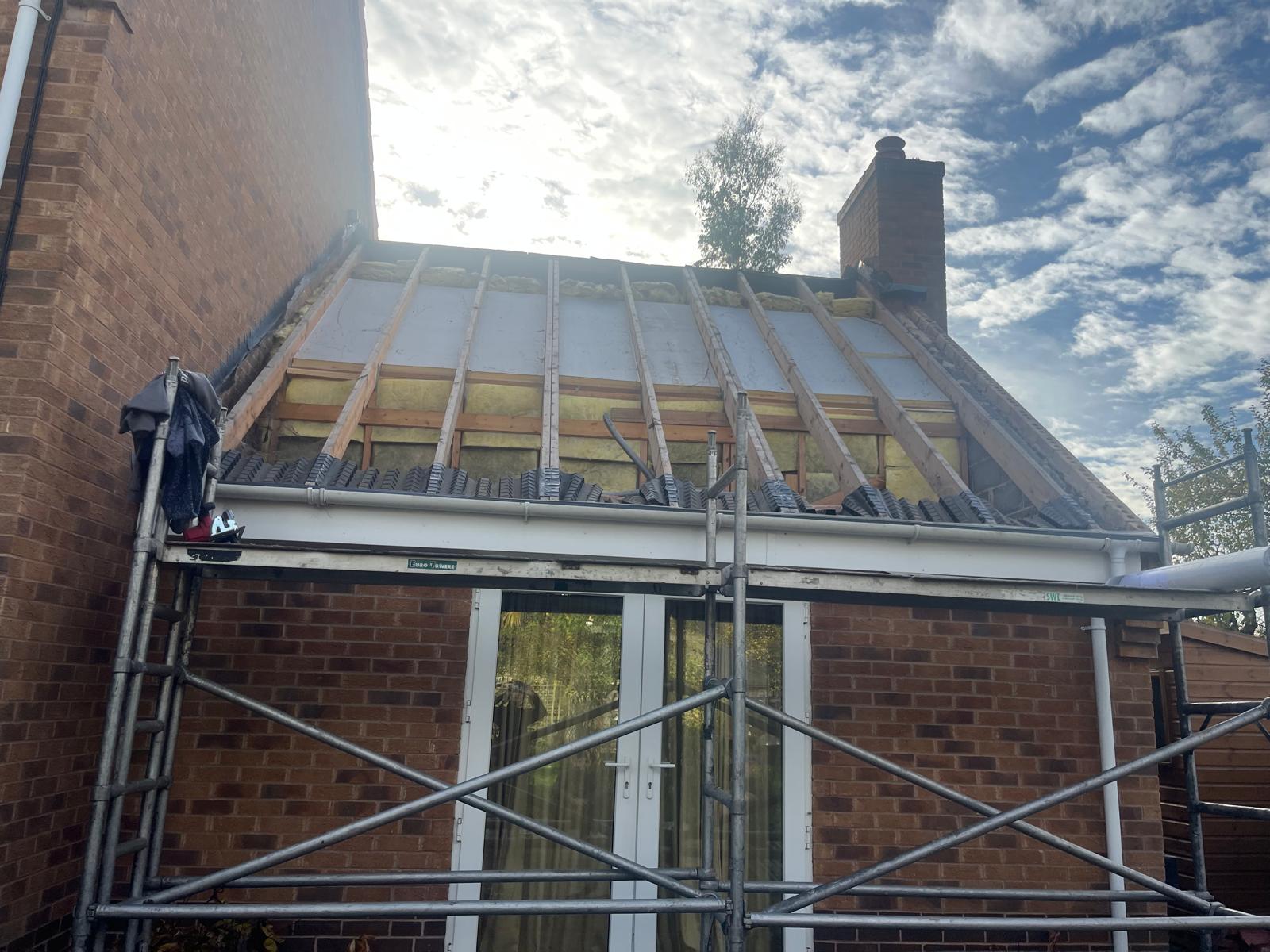
Inspect and repair the structure: Rafters and roof decking are checked for damage. Any rotten timbers are repaired or replaced before the next stage.
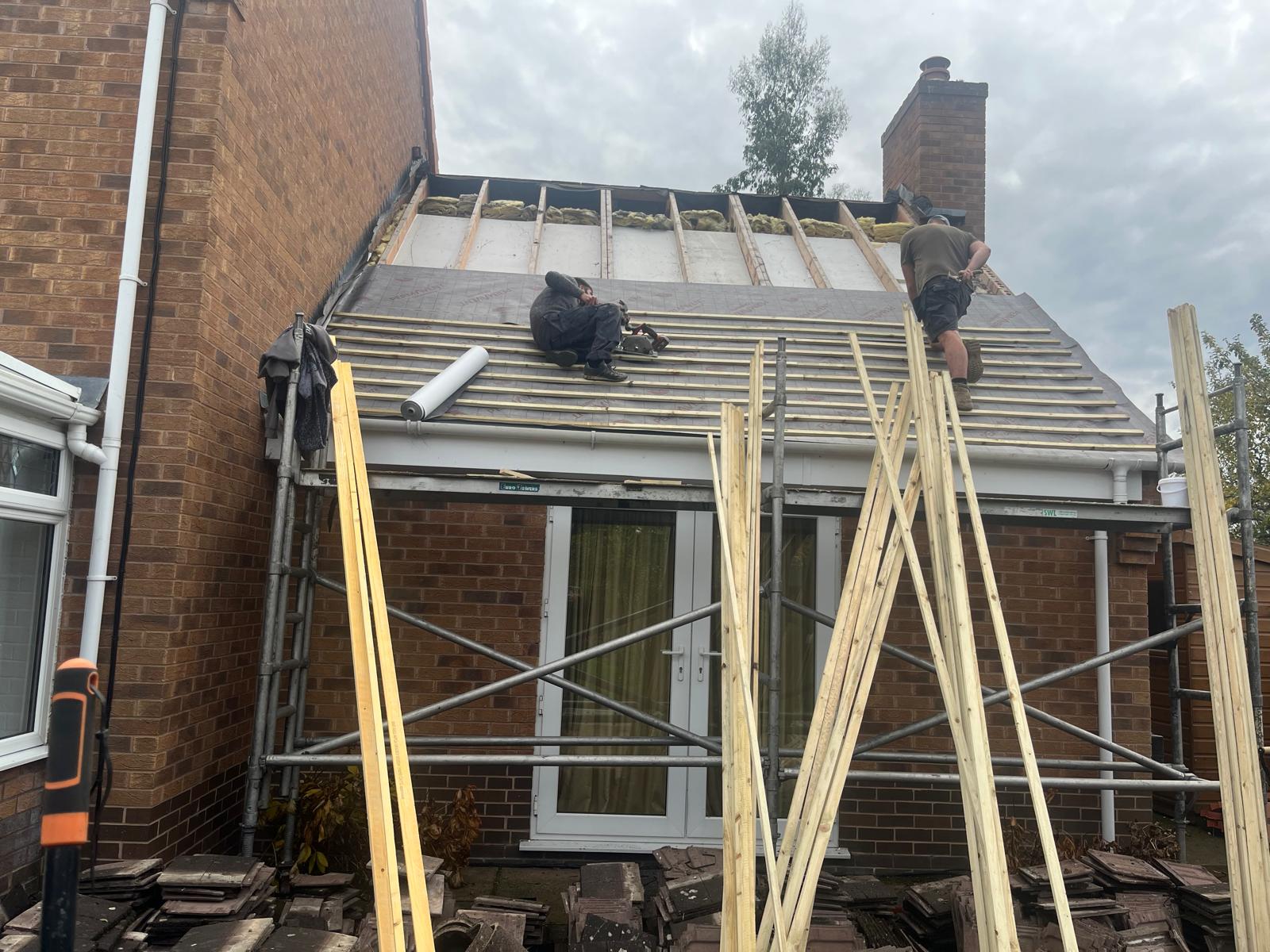
Install eaves protection and breathable membrane: A plastic eaves tray or gutter guard is fitted at the eaves, followed by a breathable roofing underlay. The bottom edge overlaps the eaves tray by about 150 mm. The membrane allows trapped moisture to escape while keeping rain out.
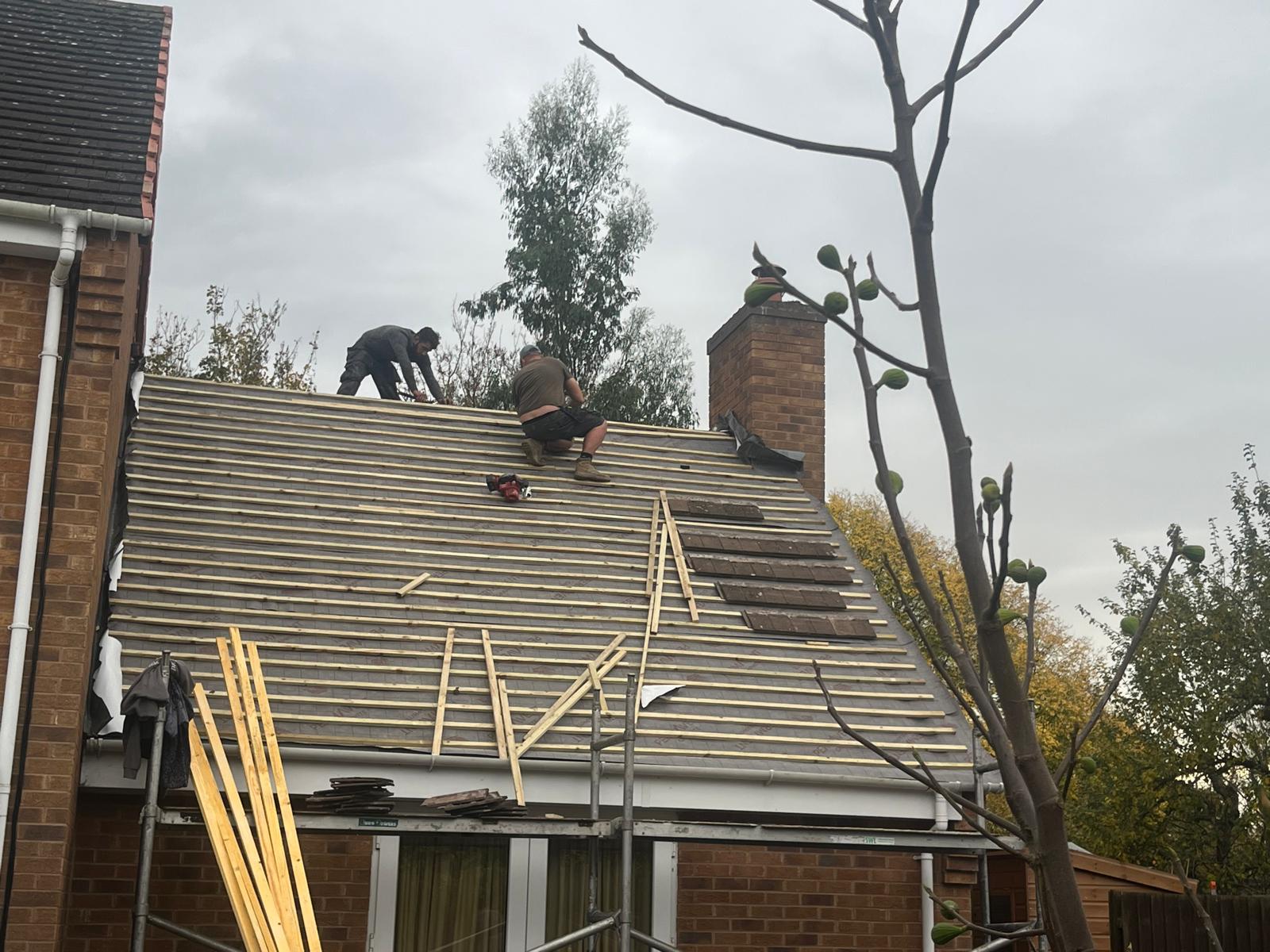
Fit new pressure-treated battens: New tanalised (pressure-treated) timber battens are nailed over the membrane and secured to the rafters. These treated battens resist rot and insect attack.
Re-lay roof tiles: Original tiles (or new matching tiles) are positioned onto the battens. Damaged tiles are replaced to ensure a uniform finish.
Install the dry ridge system: Dry ridge caps are fixed along the roof peak. Each ridge tile is clamped and screwed down with waterproof gaskets according to the manufacturer’s instructions, creating a ventilated ridge without mortar.
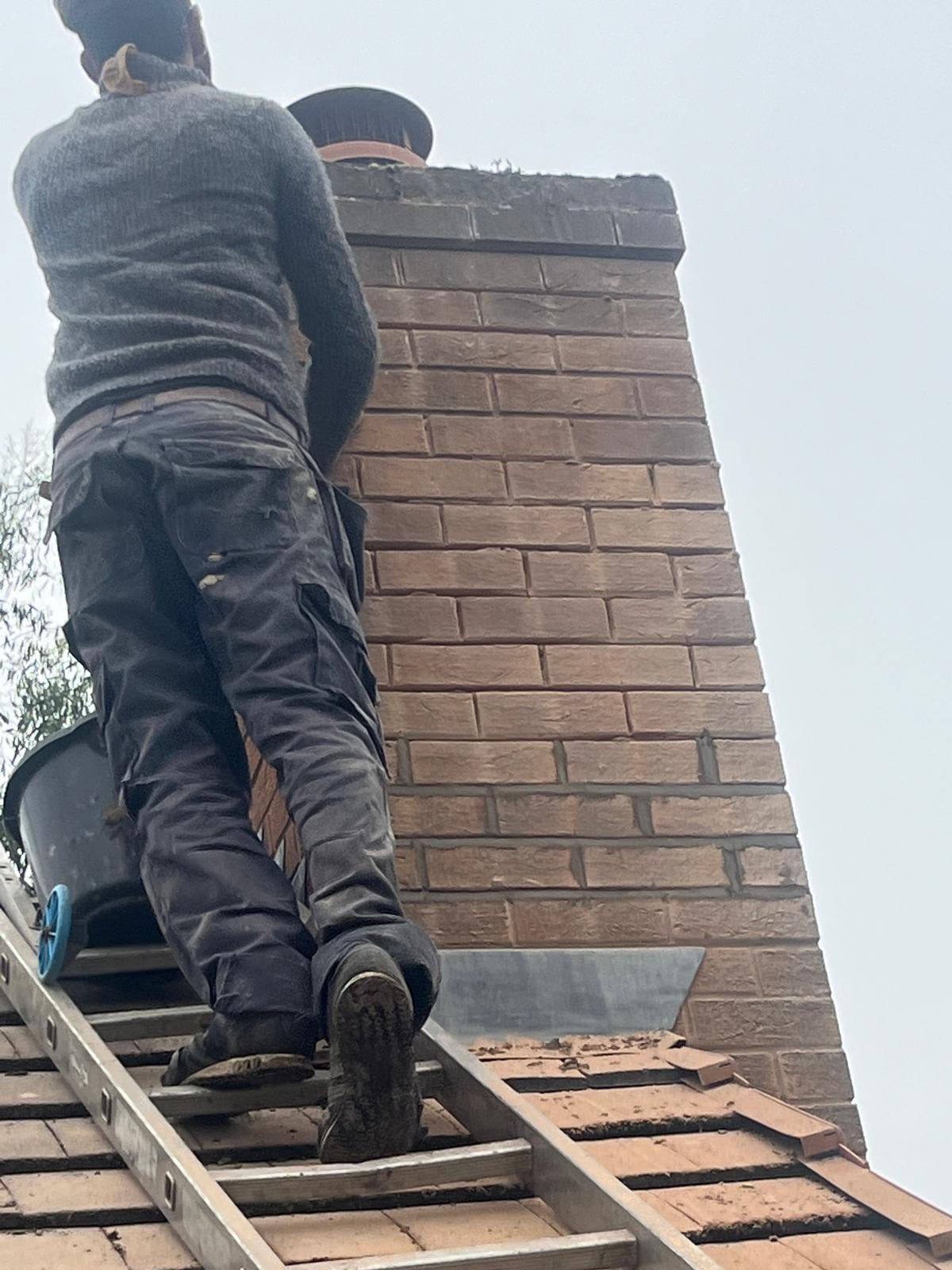
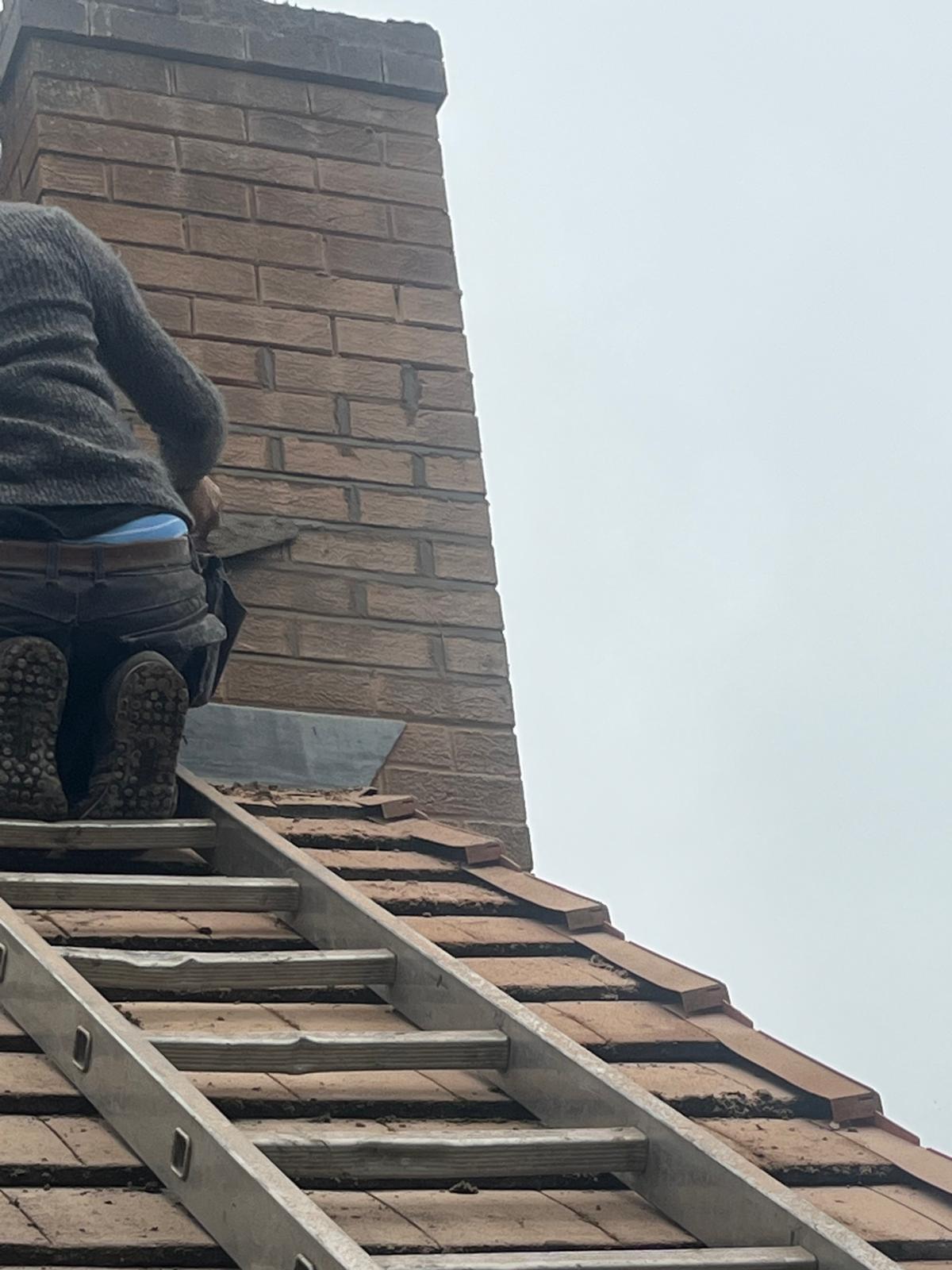
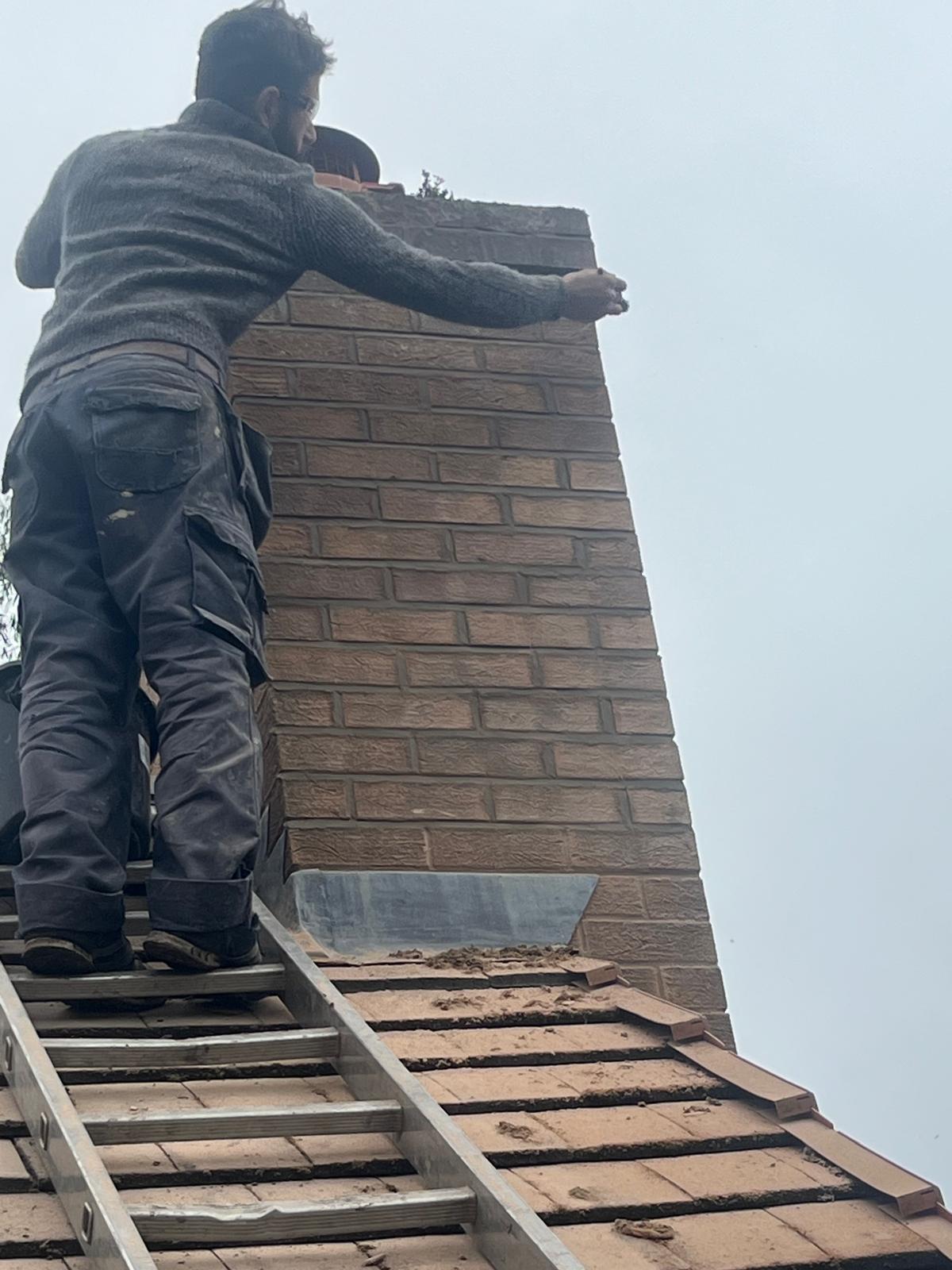
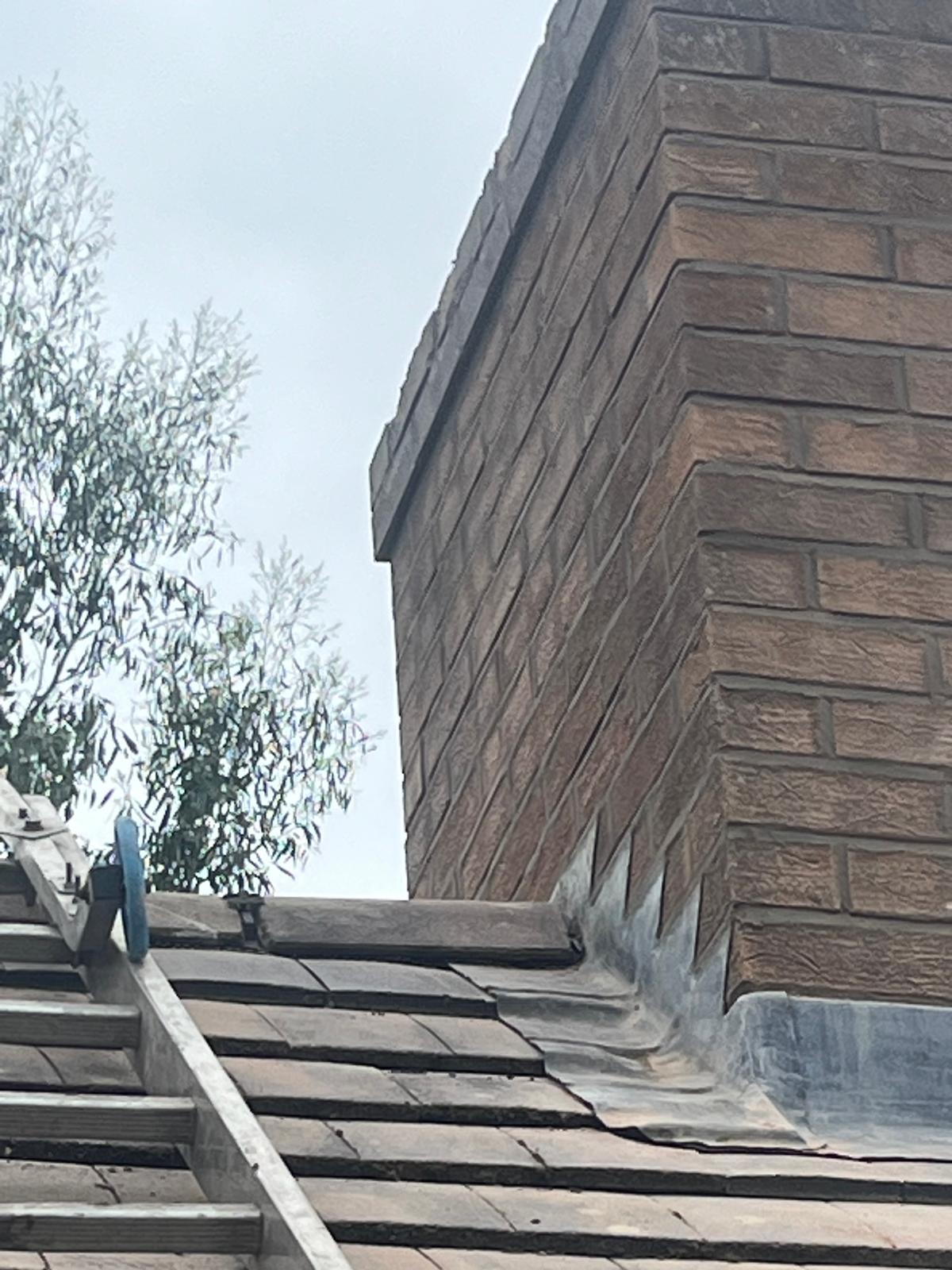
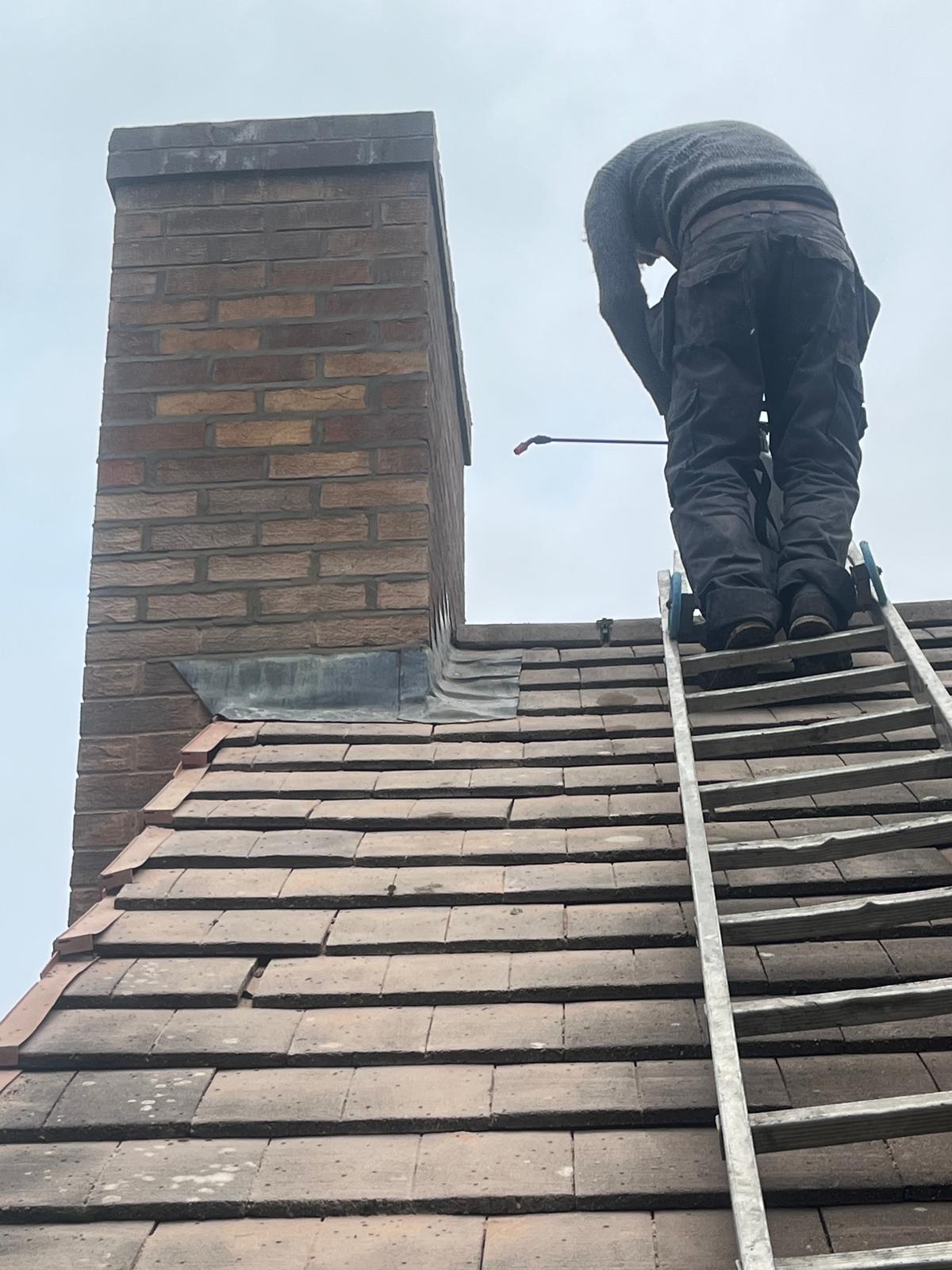
Chimney repointing and sealing: For roofs with chimneys, deteriorated mortar is ground out and repointed. A waterproof sealant is then applied to the chimney stack to prevent moisture absorption, cracking, or leaks.
This full reroofing approach follows industry best practice and ensures the home is weatherproof and compliant with modern building standards.
Breathable Felt and Treated Battens
Breathable roofing felt is essential for a solid roof replacement. Unlike older non-breathable felts, modern breathable underlays (breather membranes) let moisture vapour escape from the roof space while still blocking rain. They prevent condensation and keep insulation and timbers dry.
Pressure-treated battens are impregnated with preservatives, making them resistant to rot and insect damage. Using treated battens with a breathable membrane creates a long-lasting roof structure suited to Stamford’s climate.
Chimney Repointing and Sealing
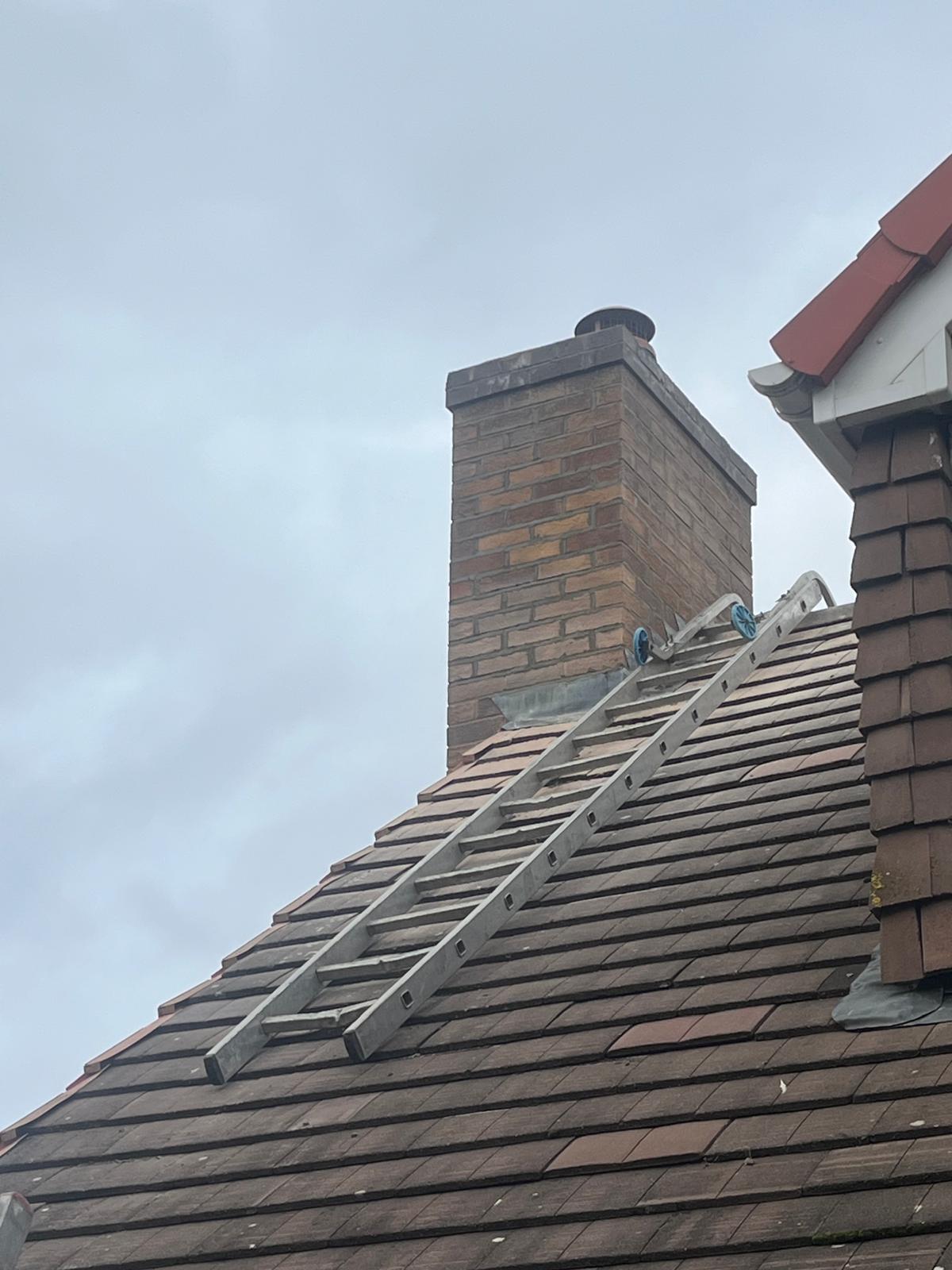
In this Stamford project, the chimney stack was rebuilt after reroofing. Damaged mortar joints were ground out and repointed, restoring both strength and appearance. The chimney was then treated with a water-repellent sealant to stop rainwater penetrating the brickwork.
Chimneys naturally absorb moisture over time, which can weaken bricks and mortar. A waterproof sealant prolongs chimney life and helps prevent leaks. Many home-maintenance guides recommend reapplying chimney sealant every few years.